

What Is Myopia Management? Your Questions Answered
If your child has been diagnosed with myopia, also known as nearsightedness, you’re probably wondering what happens next. Will their vision continue getting worse? Are glasses enough? And is there anything you can do to help protect their eyesight as they grow?
The good news is that modern myopia management offers several proven ways to slow the progression of nearsightedness. While myopia cannot be reversed, early treatment can help reduce how quickly it worsens and lower the risk of serious eye conditions later in life.
What is Myopia?
Although nearsightedness affects people of all ages, it most commonly develops during childhood and often continues progressing until the late teenage years.
What Are the First Signs of Myopia in Children?
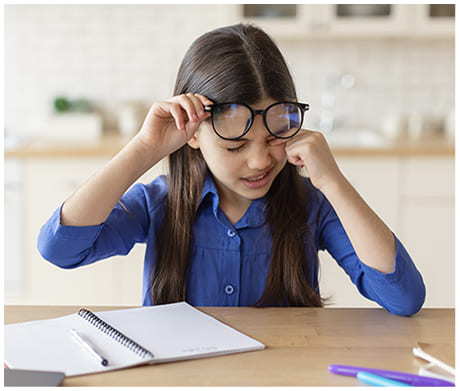
Many children don’t realize their vision has changed because the change happens gradually.
Parents may notice their child:
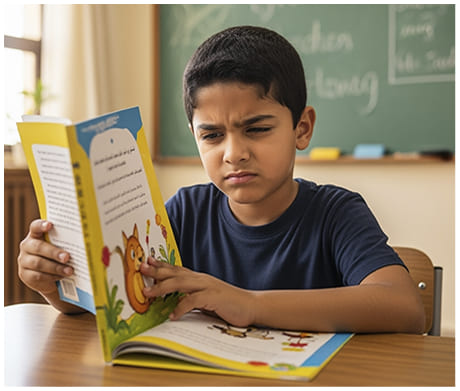
- Squinting to see distant objects
- Struggling to read the classroom board
- Sitting unusually close to the television
- Complaining of headaches
- Losing focus during schoolwork
- Saying they can’t see what friends or teachers can see
Because children usually continue seeing well up close, reading isn’t always affected early on.
When Should Children Have Their Eyes Checked for Myopia?
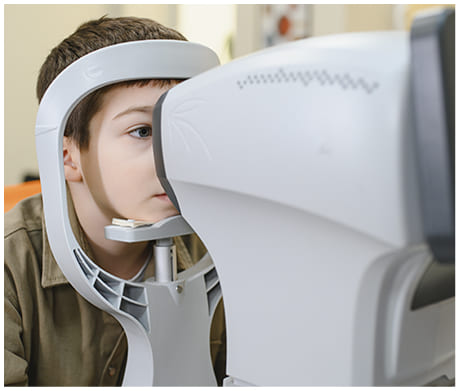
Regular children’s eye exams are one of the best ways to catch nearsightedness early.
If there’s a family history of nearsightedness, it’s often recommended that children begin comprehensive eye examinations around ages three to five. If myopia is detected, your eye doctor can begin discussing management options right away.
The earlier treatment begins, the greater the opportunity to slow progression during the years when the eyes are growing the fastest.
Is Myopia Inherited?
Genetics play an important role.
Children with one or both parents who are nearsighted have a higher chance of developing myopia themselves. However, genetics are only part of the picture.
Today’s children also spend significantly more time focusing on nearby objects, including computers, tablets, phones, and schoolwork. This increase in prolonged near work is believed to contribute to the rising number of children developing myopia.
Are Glasses Enough to Treat Myopia?
Traditional glasses improve vision, but they don’t slow the physical growth of the eye.
That’s where myopia management differs from standard vision correction. Instead of simply helping children see clearly today, myopia management aims to slow how quickly the prescription changes over time.
At University Vision Centre, treatment recommendations are customized based on each child’s age, prescription, eye health, lifestyle, and family history.
Treatment options may include:
Stellest® lenses designed specifically for myopia control
MiSight® soft contact lenses
Orthokeratology (Ortho-K)
Low-dose atropine eye drops when appropriate
Every child is different, which is why treatment should be tailored to their individual needs.
Does Spending Time Outdoors Really Help?
Yes.
Research has shown that spending more time outdoors may help slow the development and progression of myopia. Natural sunlight appears to have a protective effect on growing eyes.
Encouraging children to play outside regularly and balance screen time with outdoor activities is one simple habit that can support healthy visual development.
Can Children Have BVD?
Absolutely.
Children with binocular vision dysfunction sometimes struggle with reading, focusing in school, or maintaining attention during classroom activities. Others may appear clumsy, frequently bump into objects, or have difficulty judging distances.
Because children often assume everyone sees the world the same way they do, they may never mention their symptoms unless specifically asked.
Early diagnosis can make learning, reading, and everyday activities much more comfortable.
Can Eye Exercises or Vision Therapy Stop Myopia?
However, vision therapy can be beneficial for certain focusing or eye coordination problems that may occur alongside myopia. If those conditions are present, your eye doctor may recommend combining treatments to address both concerns.
Why is Managing Myopia Important?
- Retinal tears and retinal detachment
- Myopic macular degeneration
- Glaucoma
While nearsightedness itself doesn’t disappear, slowing its progression during childhood may help reduce these long-term risks.

When Should I Schedule a Myopia Evaluation?
If your child has difficulty seeing far away, frequently squints, or has already been diagnosed with nearsightedness, scheduling a comprehensive eye exam is the best place to start.
At University Vision Centre, Dr. Gabriel Luna and our team evaluate each child’s vision carefully before creating a personalized myopia management plan designed to support healthy vision now and for years to come.
OUR CONVENIENT LOCATIONS
"*" indicates required fields


