

What Is Binocular Vision Dysfunction? Your Questions Answered
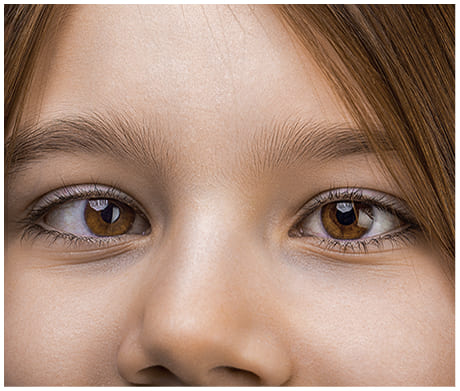
Many people assume that if they have 20/20 vision, their eyes are working perfectly. Surprisingly, that’s not always true. Binocular vision dysfunction (BVD) is a condition where the eyes struggle to work together as a team.
Even a subtle eye misalignment can force your brain to work harder to combine two slightly different images into one. Over time, that extra effort can lead to symptoms that many people never realize are vision-related.
If you get headaches, eye strain, dizziness, or anxiety while driving, and you do not know why, talk to your eye doctor. Ask if it could be binocular vision dysfunction.
What is Binocular Vision
Dysfunction?
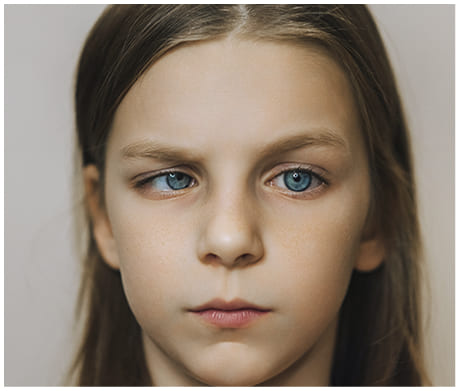
Binocular vision dysfunction is a group of conditions caused by the eyes not lining up properly.
Sometimes the misalignment is horizontal, while other patients experience a slight vertical misalignment known as vertical heterophoria. Even very small alignment issues can create significant symptoms because the brain constantly works to compensate.
For many people, the condition develops slowly. This makes it hard to see that symptoms relate to their eyes.
What Are the Symptoms of BVD?
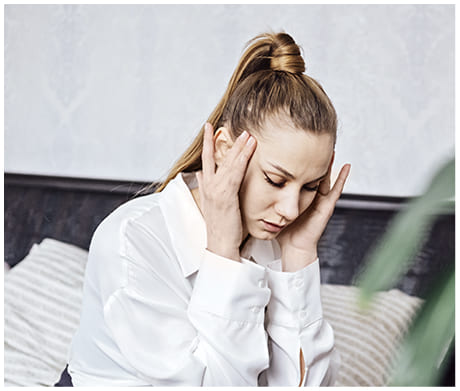
Symptoms vary from person to person, but some of the most common include:
- Frequent headaches
- Eye strain
- Double vision
- Light sensitivity
- Neck pain
- Difficulty concentrating while reading
- Motion sensitivity
- Anxiety in busy environments
- Feeling overwhelmed while driving
- Fatigue after computer use
Many patients spend years treating individual symptoms without realizing their eyes may be contributing to the problem.
Why Does BVD Cause Anxiety?
One of the more surprising symptoms of BVD is anxiety.
When your eyes aren’t working together properly, your brain receives conflicting visual information. Processing those mismatched images requires constant effort, creating visual overload.
Busy grocery stores, crowded spaces, heavy traffic, and nighttime driving often become especially stressful because the brain is trying to organize large amounts of visual information all at once.
Can You Have BVD With 20/20 Vision?
Visual clarity and binocular vision are two different things.
Each eye may see perfectly well on its own, but if the two eyes aren’t aligned correctly, they struggle to work together. That’s why someone with excellent eyesight can still experience headaches, eye strain, or dizziness.
Can Binocular Vision Dysfunction Develop Suddenly?
However, if double vision or severe vision changes appear suddenly, never ignore them. Sudden symptoms may indicate another medical condition that requires immediate evaluation.
A comprehensive eye examination helps determine whether symptoms are caused by BVD or another underlying issue.
How Is BVD Diagnosed?
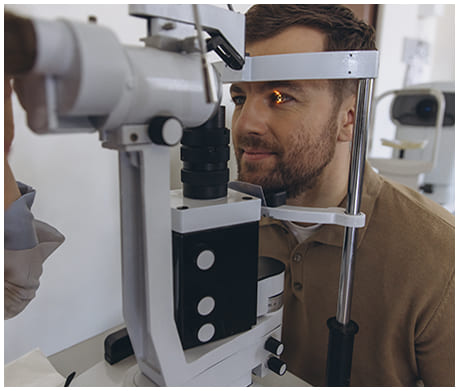
Diagnosis begins with a comprehensive eye exam and a conversation about your symptoms.
At University Vision Centre, patients may also complete a binocular vision questionnaire that helps identify patterns commonly associated with BVD.
Your eye doctor then performs specialized testing to evaluate how your eyes work together, allowing even subtle alignment problems to be identified.
Why Isn’t BVD Always Found During a Routine Eye Exam?
Because binocular vision testing is more specialized, subtle eye alignment problems can sometimes go unnoticed unless patients discuss the symptoms they’re experiencing.
That’s why explaining headaches, dizziness, reading difficulties, or driving discomfort during your appointment is so important.
How Is Binocular Vision Dysfunction Treated?
Treatment depends on the type and severity of the eye misalignment.
One of the most effective treatment options is prescription glasses containing small amounts of prism.
Prism lenses gently shift incoming images so they match where the eyes naturally point. This reduces the amount of effort required for the eyes to work together, often providing significant relief from symptoms.
Some patients may also benefit from vision therapy, depending on their specific diagnosis.
Can Children Have BVD?
Absolutely.
Children with binocular vision dysfunction sometimes struggle with reading, focusing in school, or maintaining attention during classroom activities. Others may appear clumsy, frequently bump into objects, or have difficulty judging distances.
Because children often assume everyone sees the world the same way they do, they may never mention their symptoms unless specifically asked.
Early diagnosis can make learning, reading, and everyday activities much more comfortable.
When Should You Schedule an Eye Exam for BVD?
If you’ve been experiencing persistent headaches, unexplained eye strain, dizziness, or anxiety during visually demanding activities, it may be time for a binocular vision evaluation.
At University Vision Centre, Dr. Gabriel Luna uses specialized testing to identify binocular vision dysfunction and create personalized treatment plans designed to help patients see more comfortably and confidently.
OUR CONVENIENT LOCATIONS
Let’s Start a Conversation
"*" indicates required fields


